CUSP History
Curriculum context: We use the CUSP curriculum to give our pupils a rich, well – sequenced understanding of the past. This nurtures curiosity, encourages thoughtful enquiry and helps to build secure knowledge that builds year on year. Through clear progression, strong vocabulary development and engaging historical study, we aim to inspire confident learners who understand their place in the wider world and retain and build upon their knowledge.
|
Autumn |
Spring |
Summer |
| Year 3 |
Stone Age – Iron Age |
Stone Age – Iron Age
Rome and the impact on Britain |
Rome and the impact on Britain |
| Year 4 |
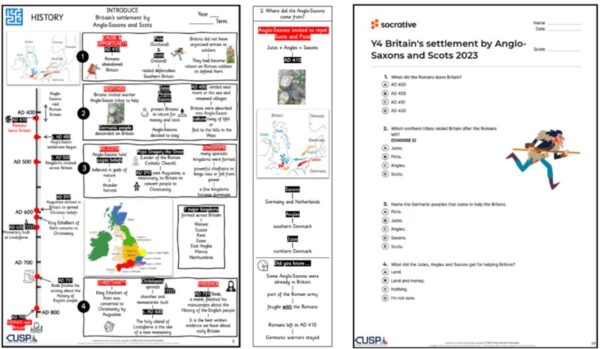
Britain’s settlement by Anglo-Saxons and Scots
Viking and Anglo-Saxon struggle for the Kingdom of England to the time of Edward the Confessor |
Viking and Anglo-Saxon struggle for the Kingdom of England to the time of Edward the Confessor
Ancient civilisation – Egypt or Shang Dynasty |
Ancient civilisation – Egypt or Shang Dynasty |
| Year 5 |
Ancient Greece |
Ancient Greece
Comparison study – Maya or Benin and Anglo-Saxons |
Comparison study – Maya or Benin and Anglo-Saxons |
| Year 6 |
Local History Study – how did conflict change our locality in World War 2? |
Windrush generation |
5 significant monarchs or Battle of Britain |
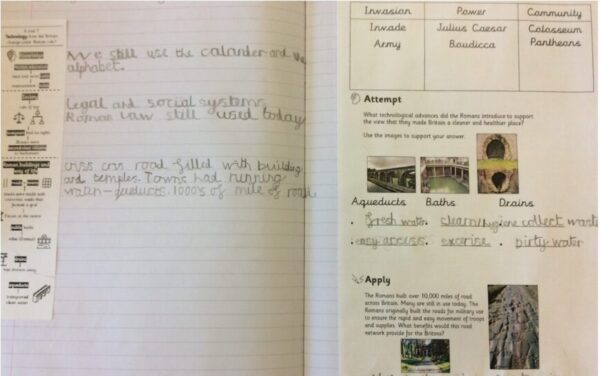
Teaching and learning: We use the CUSP curriculum because CUSP History resources contain a wealth of evidence-led materials to support excellent teaching and long-term learning. Each lesson has 6 parts which enable many opportunities for deep thinking and exploration. It is research based and provides a curriculum which builds on prior learning and is progressive throughout the school. CUSP provides a strong foundation which ensures children develop a secure understanding of historical periods, concepts and themes. It builds both substantive and disciplinary knowledge through sequences of learning and carefully curated resources that are underpinned by cognitive science.
How the Subject Leader monitors and evaluates the curriculum:
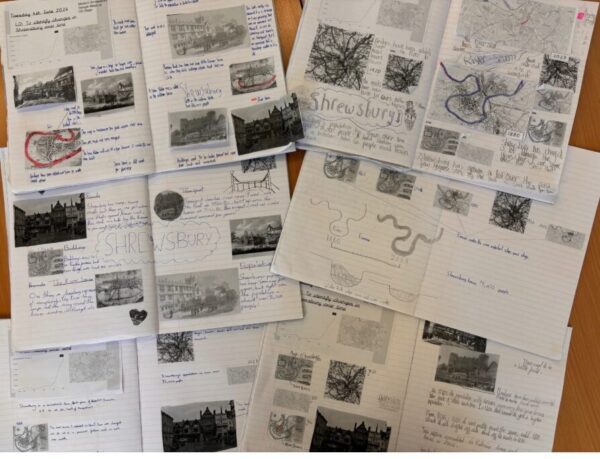
We use Pupil Book Study (Alex Bedford, published by John Catt) to evaluate the impact of the curriculum on the lived experience of pupils and also a pupil voice survey, both conducted once a term alongside conversation with and feedback from teachers and formative, end of unit assessments. The CUSP matrix is used to identify areas of strength and for development. CUSP also offers excellent subject leader support in the form of resources and online CPD.